General Anesthesia Dentistry in Sarasota, FL

General Anesthesia in Dentistry
Dentists have been using anesthesia for over 175 years, and it has advanced enormously in that time. Today, the right level of sedation lets almost anyone, including patients with severe dental anxiety or complex surgical needs, get essential care in complete comfort.
General anesthesia is the deepest of those levels: you are fully asleep, completely unaware, and feel nothing. At Sarasota Dentistry, general anesthesia is available for the select cases that need it, administered in our office by a board-certified anesthesiologist and nurse anesthetist team while Dr. Michael focuses entirely on your dental treatment.
The Three Levels of Sedation, and Who May Provide Them
Florida licenses each level of sedation separately, and it's worth understanding the difference before choosing a provider:
- Anxiolysis (minimal sedation). Nitrous oxide or a single mild oral sedative takes the edge off while you stay fully awake. Most general dentists may provide this level.
- Moderate (conscious) sedation. Oral or IV medication brings you to a deeply relaxed, drowsy state where you can still respond to us, though most patients remember little or nothing. This level requires a State of Florida moderate sedation permit, specialized training, inspected equipment, and ongoing certification. Dr. Michael holds this permit, and it covers the vast majority of what our patients need. Learn more on our sedation dentistry page.
- Deep sedation / general anesthesia. You are fully asleep. In Florida, only providers with an anesthesia-level license may administer it. At Sarasota Dentistry, that's exactly who does: a board-certified anesthesiologist, working alongside Dr. Michael in our office, using Propofol (Diprivan), the same medication used in hospital operating rooms.
This team model matters. Propofol can carry a patient from conscious sedation into deeper levels. That flexibility is precisely why it works so well, and also why it belongs in the hands of an anesthesiologist. With the anesthesiologist managing your sedation and monitoring you continuously, Dr. Michael never has to divide his attention between your airway and your dentistry.
When Is General Anesthesia the Right Choice?
Most patients, even very anxious ones, do beautifully with moderate IV sedation, and we'll always recommend the lightest level that gets you through treatment comfortably. General anesthesia earns its place for:
- Longer or more invasive surgical procedures, such as full-arch dental implant surgery, multiple tooth extractions, or complex grafting like sinus augmentation
- Severe dental phobia that moderate sedation can't fully manage
- Strong gag reflexes, difficulty getting numb, or special healthcare needs
- Patients who simply want to sleep through a long appointment and wake up done
What to Expect
Before your visit we review your health history, medications, and any prior anesthesia experience to confirm general anesthesia is the right fit for you. On the day of treatment, the anesthesiologist starts an IV (nitrous oxide first if needles worry you) and you drift off within moments. You're monitored continuously from the first medication to full recovery. Most patients wake within about ten minutes of the dentistry ending, feel back to themselves within a day, and remember nothing of the procedure. You'll need a companion to drive you home.
Help for Patients with Dental Anxiety
Up to 30% of people have severe apprehension about going to the dentist. This excessive fear drives many individuals to put off preventive check-ups and necessary procedures, which usually lead to aggravated gum disease, tooth decay, pain, and other health problems in the long run.
Whether the answer for you is nitrous oxide, oral sedation, IV moderate sedation with Dr. Michael, or general anesthesia with our anesthesiologist team, there is a level of comfort that will finally make dental care feel doable. Contact us today at (941) 929-7645 to find yours.
Frequently Asked Questions
Yes, provided it is administered by the right provider. At Sarasota Dentistry, general anesthesia is delivered by a board-certified anesthesiologist with a nurse anesthetist, using hospital-grade monitoring, after a pre-anesthesia review of your health history. That is the same standard of care you'd receive in a surgical center.
No, and that's by design. Florida licenses sedation in levels: Dr. Michael holds a moderate (conscious) sedation permit, and deep sedation or general anesthesia is administered by our board-certified anesthesiologist. Ask any office offering "sleep dentistry" who holds the anesthesia license; it is the single most important safety question you can ask.
Providers typically use GA when the procedure is too uncomfortable or invasive for the patient to experience while awake, such as extracting impacted wisdom teeth. Dentists might also offer GA if the patient has a high level of anxiety that conscious sedation cannot manage. In our office, it's reserved for cases where moderate sedation isn't enough: long surgical appointments, severe phobia, or medical circumstances that call for an anesthesiologist's care.
The anesthesiologist administers Propofol (Diprivan) through an IV, the same trusted medication used in operating rooms. You fall asleep within moments and feel nothing during treatment. Unlike hospital general anesthesia for major surgery, office-based dental anesthesia typically doesn't require a breathing tube or paralytic medications, which is part of why recovery is so quick.
Propofol wears off quickly: most patients wake about ten minutes after treatment ends and may feel groggy for a few hours. Plan for a companion to drive you home; most people feel fully recovered within 24 hours.
Under general anesthesia you're fully asleep and unaware; under IV conscious sedation you're deeply relaxed but still responsive, usually with little memory afterward. Both are delivered by IV with continuous monitoring. The bigger difference is who provides it: IV conscious sedation is within Dr. Michael's moderate sedation permit, while general anesthesia requires our anesthesiologist. Propofol also wears off faster than conscious-sedation medications like Versed and fentanyl, which can linger or cause nausea in some patients. Every medication has risks, and we will review them with you.
Related Articles
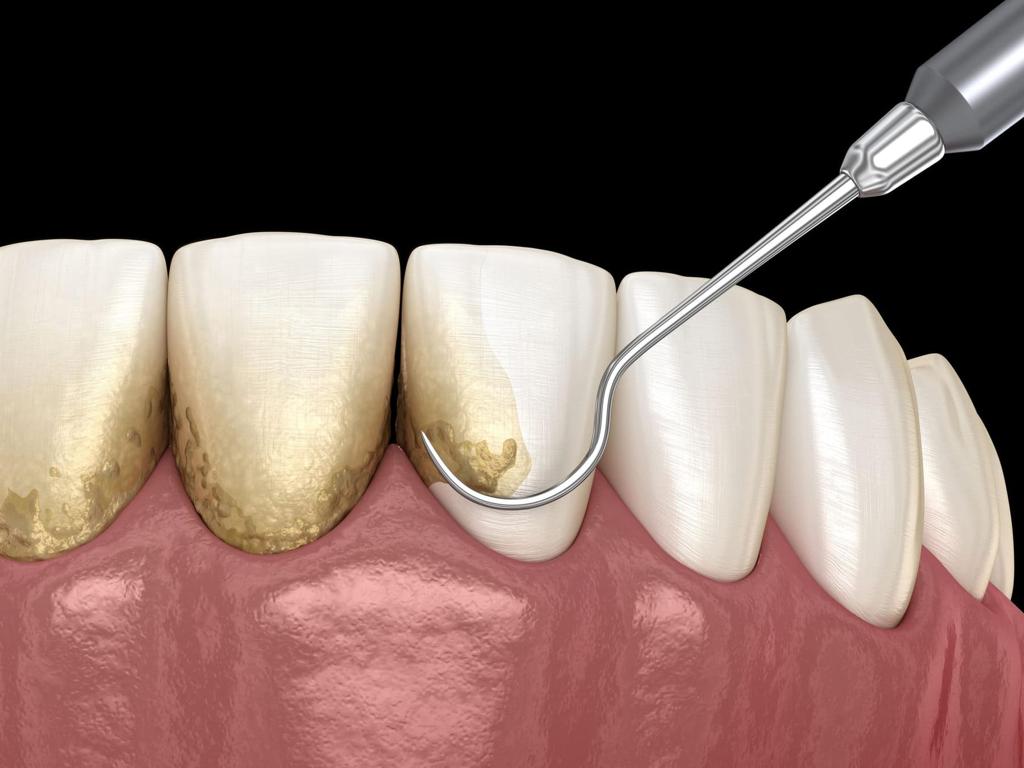 Gum Health
How to Remove Tartar from Teeth Without a Dentist
Tartar can be difficult to remove on your own at home without going to a dentist, but you can still remove it with consistent brushing, flossing and some do-it-yours…
Read article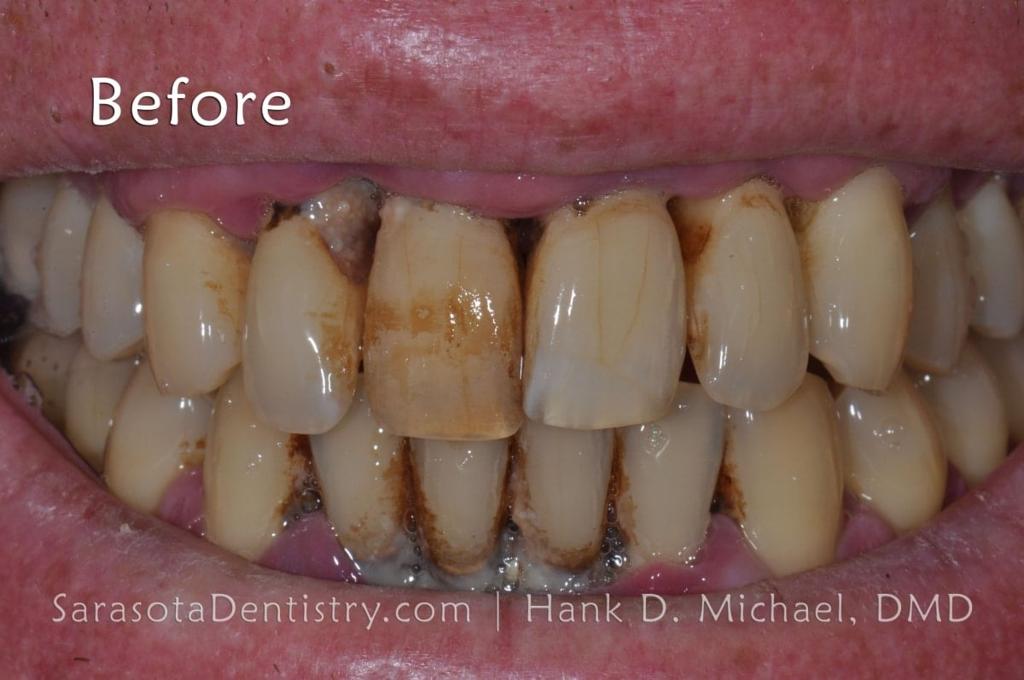 Gum Health
How To Fix Receding Gums
Receding gums are a dental condition in which gums pull away from the teeth to expose tooth roots—leaving teeth vulnerable to decay and sensitivity to hot and cold.…
Read article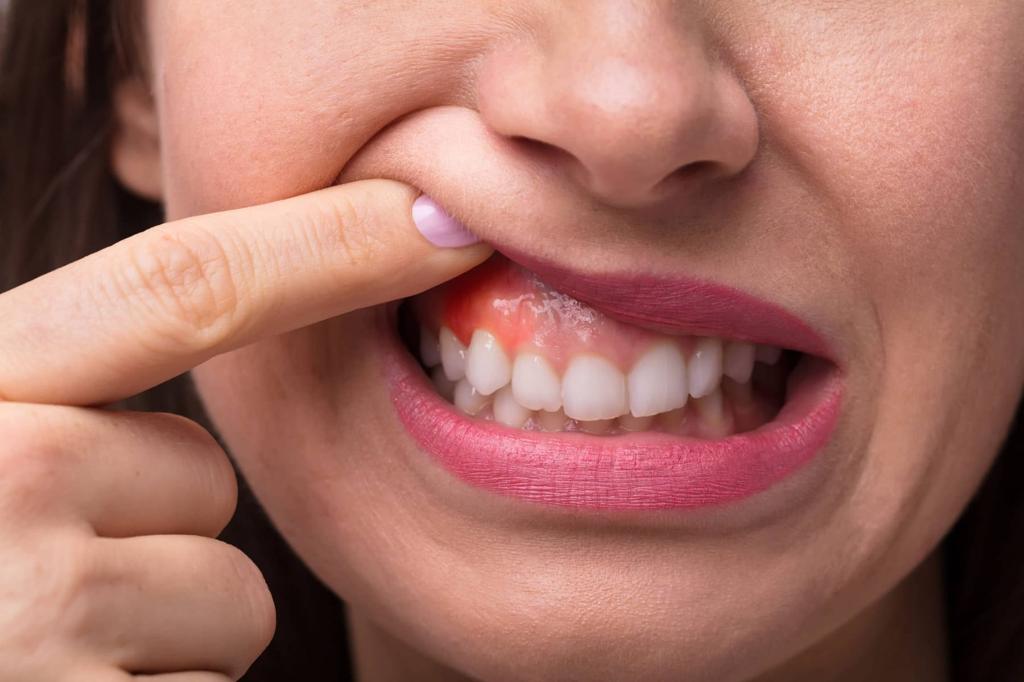 Gum Health
Why are My Gums Sore and What Does it Mean?
Sore gums are a common dental issue. Gum pain can flare up when you’re brushing, flossing, eating, or drinking. Gums that are sore and swollen may also start bleedin…
Read articleReady for a Healthier, Brighter Smile?
New patients are always welcome. Call us today or request your appointment online.